"Rebuilding soil organic matter through mycorrhizal fungal networks, polyculture guilds, and no-till regenerative horticulture."
Introduction
Industrial agriculture and traditional monoculture gardening treat soil as an inert medium requiring chemical fertilizers. Permaculture views the garden as a self-sustaining ecological web where plants, fungi, and beneficial insects collaborate.
The Mycorrhizal Fungal Network and Soil Carbon Sequestration
Beneath healthy undisturbed soil lies a sprawling web of mycorrhizal fungal hyphae. These microscopic filaments exchange sequestered soil minerals (phosphorus, zinc) with plant roots in return for photosynthetic carbon sugars, boosting drought resilience naturally.
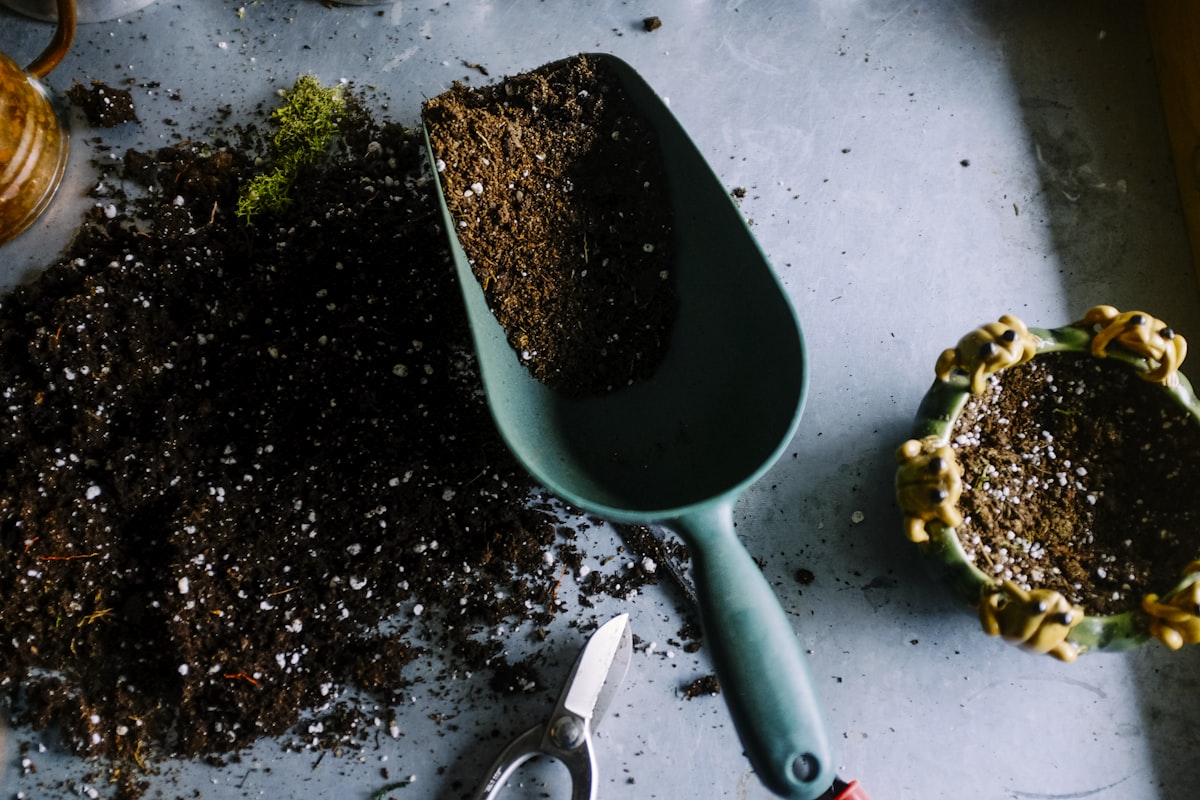
“Feed the soil microbiome, not the plant. When soil biology is intact, plants develop natural pest immunity without synthetic pesticides.”
Designing Functional Polyculture Planting Guilds
Combining nitrogen fixers (like clover and comfrey), dynamic nutrient accumulators, aromatic pest deterrents, and deep taproot pollinators creates self-fertilizing plant guilds that eliminate the need for chemical sprays.
Key Takeaways
• No-till gardening preserves delicate mycorrhizal fungal hyphae networks.
• Polyculture planting guilds provide natural pest control and nutrient cycling.
• High soil organic matter increases water retention, reducing irrigation needs by 70%.