"Discover why packaging bags are becoming a practical choice for e-commerce businesses shipping lightweight products. "
Introduction
Think about the last parcel you received. If it was a T-shirt, a pair of leggings or a small accessory, there is a good chance it arrived in a bag rather than a bulky cardboard box. And honestly, it makes sense.
Not every online order needs a rigid box around it. For many products, a packaging bag can do the job just as well while taking up less room, weighing less, and making the packing process much quicker.
This is why more e-commerce businesses are looking beyond traditional boxes. From simple mailing options to padded and paper alternatives, there is now a packaging bag for almost every type of lightweight order.
What Types of Packaging Bags Can You Use for Online Orders?
The right choice depends on what you are sending, but there are several everyday options worth considering.
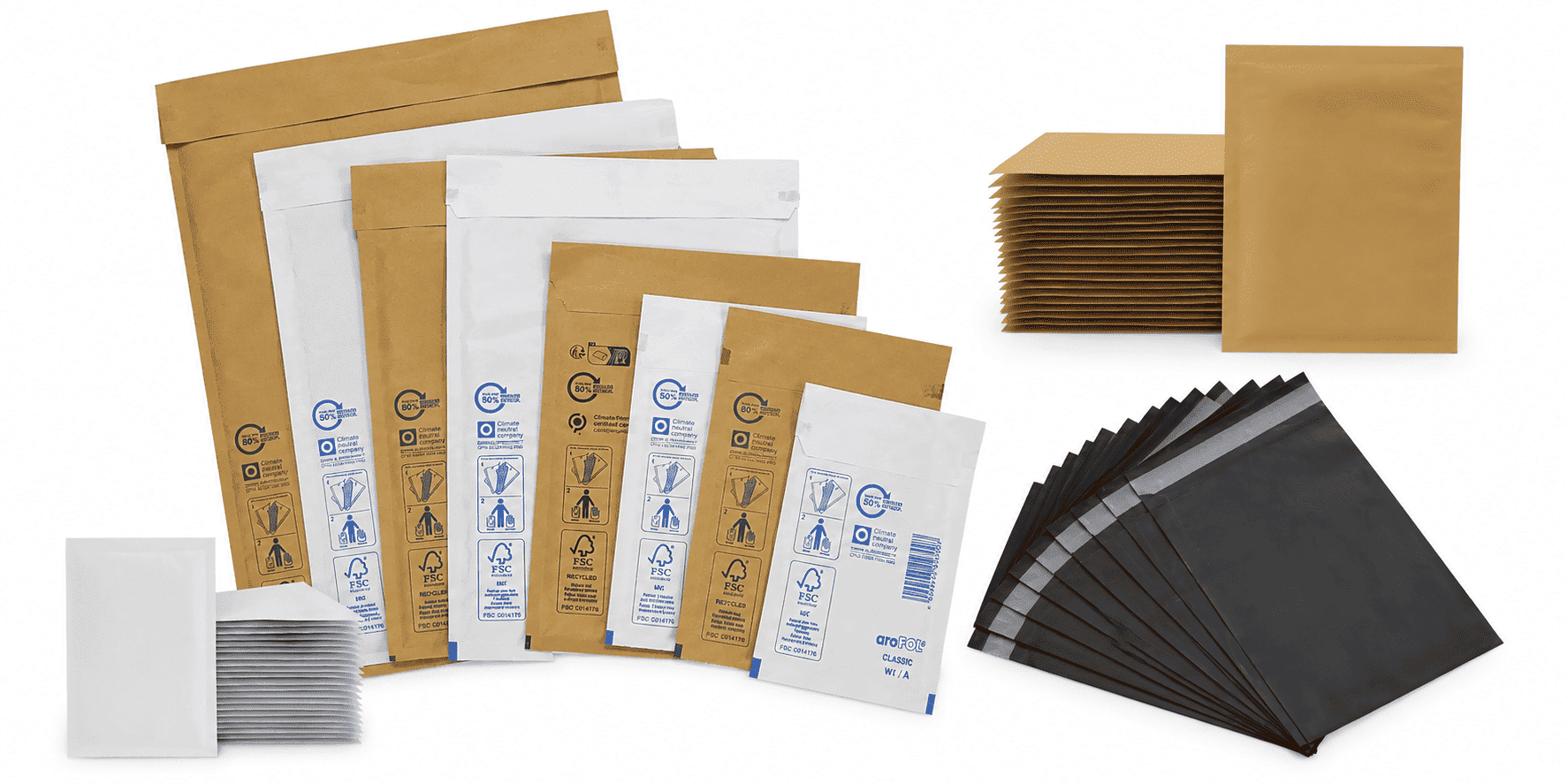
Grey Mailing Bags
If you sell clothes, soft furnishings, or other non-fragile products, grey mailing bags are among the easiest options to work with.
• Lightweight, so they do not add much weight to an order
• Water-resistant to help protect products from rain and damp conditions
• Self-sealing closure makes packing much quicker
• Opaque design keeps the contents out of sight
• Available in different sizes for different orders
They are especially handy when you are packing a pile of orders at once. There is no box to fold, no flaps to tape and no unnecessary space around the product.
Padded Bubble Mailers
Some products are small but still need a little cushioning. That is where padded mailers come in.
• Bubble lining helps protect contents from knocks and bumps
• Lightweight construction keeps parcels compact
• Peel-and-seal strips make them quick to close
• Flexible design works well for smaller products
• Easy to store when you are short on packing space
You may know these as jiffy bags. They are a popular choice for books, documents, stationery, accessories and other items that need some protection but do not need an entire box around them.
Polythene Bags
Polythene bags are another straightforward option, particularly for products that mainly need protection from dust, dirt and moisture.
• Clear material lets you see what is inside
• Lightweight and flexible for quick packing
• Available in different thicknesses and sizes
• Useful for clothing and other soft goods
• Easy to store in bulk
They can also be useful before an order is dispatched. For example, clothing can be kept neatly protected inside the bag before being placed into its final postal packaging.
Grip Seal Bags
For tiny products, using a box can feel like overkill. Grip seal bags keep things much simpler.
• Resealable closure makes them easy to open and close
• Transparent material makes identifying contents quick
• Flexible construction takes up very little storage space
• Available in a wide range of sizes
• Handy for small parts, accessories and components
They are particularly useful when you sell several small items that need to be kept together rather than rattling around inside a larger package.
Kraft Paper Bags
If you would rather use a paper-based option, kraft paper bags are worth considering for suitable lightweight products.
• Paper construction gives them a simple, natural appearance
• Lightweight format keeps parcels easy to handle
• Useful for selected non-fragile products
• Can complement other paper-based packing materials
• A practical option for businesses trying to reduce plastic use
They are not a replacement for every type of packaging. If an item can get wet, has sharp edges or needs serious impact protection, another option may be a better choice.
Why Can Bags Be Better Than Cardboard Boxes?
The biggest advantage is simple: you are not using a box when you do not actually need one.
• They are quicker to pack: Seal a bag, and you are ready to go
• They take up less storage space: Hundreds of flat bags can fit where stacks of boxes cannot
• They are lightweight: Less packaging weight can help keep parcels compact
• They fit soft products better: Clothing and textiles do not need space around them
• They create less packing hassle: No folding, taping or assembling a box for every order
For a small business packing orders from home, this can make a surprising difference. For a larger warehouse, the time saved across hundreds of parcels can be even more noticeable.
When Should You Still Choose a Box?
Bags are not going to completely replace cardboard. Some products need more support.
Fragile And Heavy Products
Glassware, ceramics, electronics, and heavy items usually need the structural support that a strong cardboard box provides.
• Helps prevent crushing during handling
• Gives fragile products a rigid outer layer
• Makes stacking easier during transportation
• Leaves room for protective materials when required
The point is not to choose bags over boxes every time. It is to stop using more packaging than the product actually needs.
How Do You Pick the Right Option?
Start by looking at the product itself. Is it soft or rigid? Heavy or lightweight? Fragile or fairly tough? Does it need cushioning, or is it mainly about protection from moisture and dirt?
A jumper might only need mailing bags. A small item that can be scratched may be better inside a padded mailer. Tiny components can go into a grip seal bag, while something heavy or fragile will probably be happier inside a sturdy box.
Getting that balance right is important. Too little protection can lead to damaged orders and unhappy customers. Too much can leave you paying for packaging, storage and postage that you did not need.
Conclusion
Packaging bags are becoming a natural part of e-commerce because they make sense for so many everyday products. Postal bags, padded mailers, polythene options, grip-seal bags, and paper alternatives all have their place.
Cardboard boxes still have an important job, especially when an order is fragile, heavy or needs rigid protection. But for softer, lighter products, a well-chosen bag can be faster to pack, easier to store, and less bulky to send.
In other words, it is not really about bags versus boxes. It is about using the right packaging for the product in front of you.
FAQs
1. Are bags better than boxes for clothing?
Usually, yes. Clothing is lightweight and flexible, so it rarely needs the rigid protection of a box.
2. Can padded bags protect fragile items?
They provide cushioning, but very fragile products may still need a sturdy box and additional protection.
3. Are polythene bags waterproof?
They offer moisture resistance, making them useful for protecting suitable products from rain and dampness.
4. Why use grip seal bags?
They are convenient for storing and packing small items while keeping contents visible and organised.
5. Can paper bags be used for postage?
Yes, for suitable lightweight products, provided they offer enough protection for the journey.